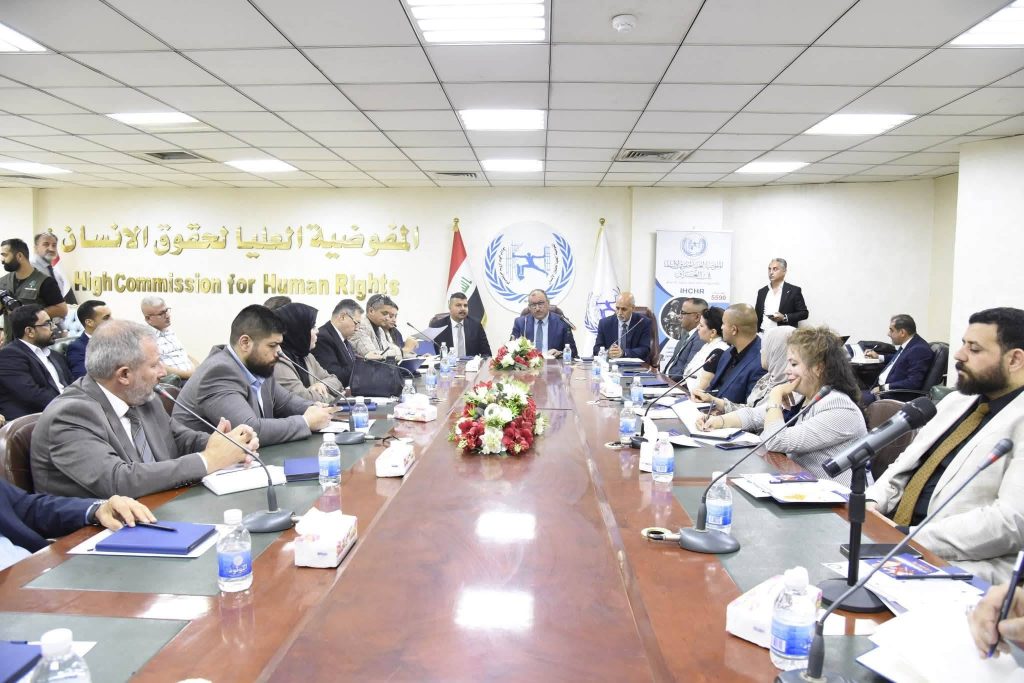
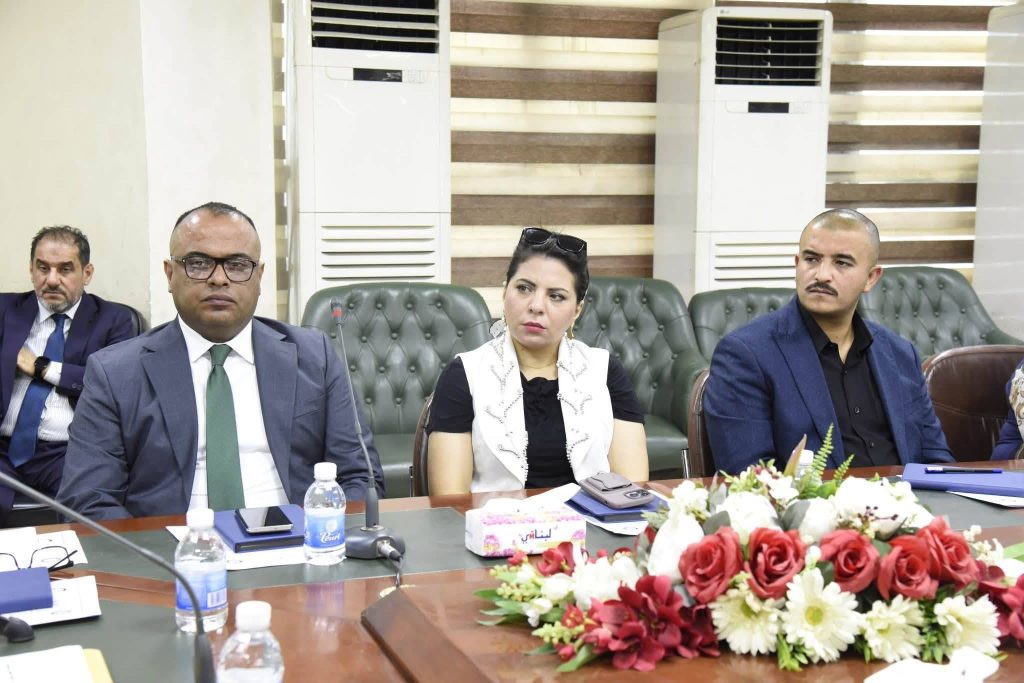
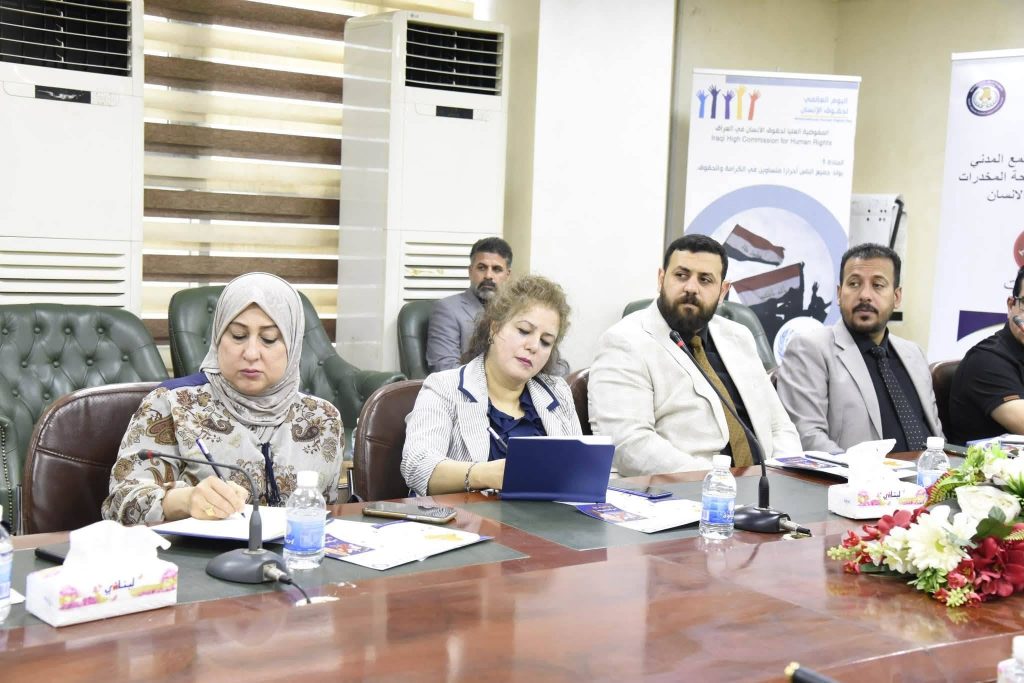
Engineer Teeba Talal attended a workshop on anti-corruption efforts, at the invitation of the Supreme Committee for Human Rights.
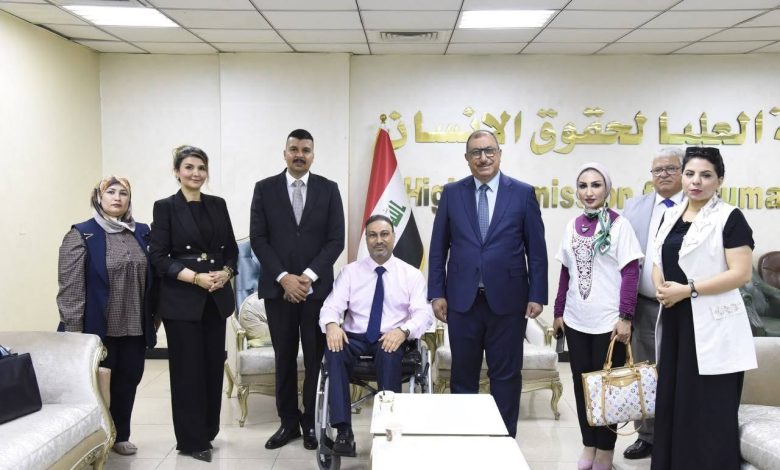
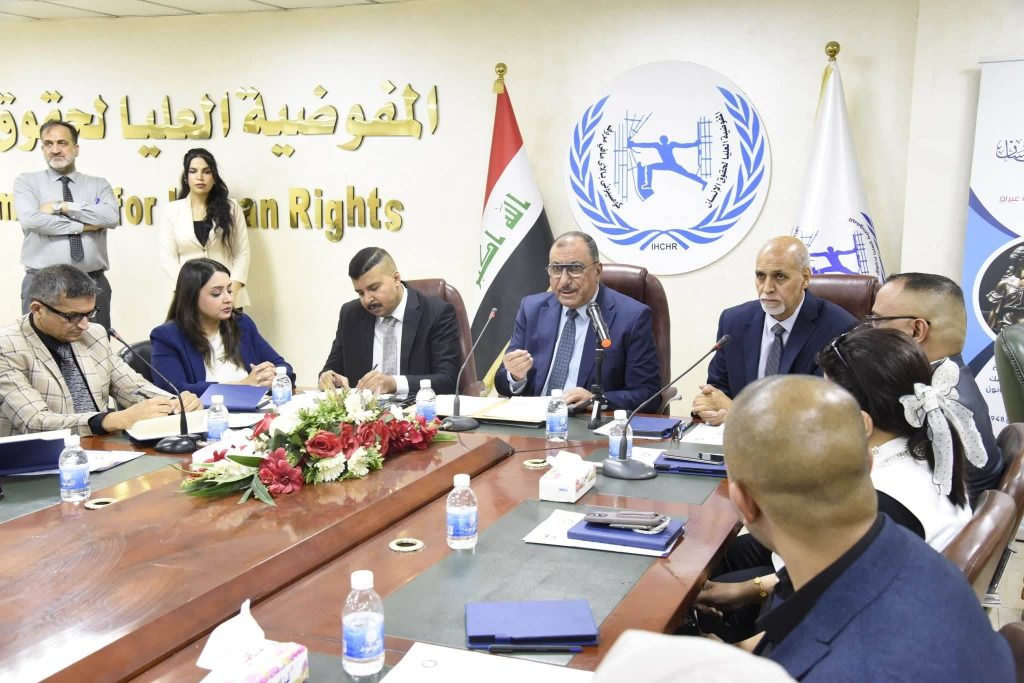
The High Commission for Human Rights, in cooperation with the General Directorate of Narcotics and Psychotropic Substances Affairs and the Italian organization “A Bridge to Italy,” organized a workshop entitled “The Role of Civil Society Organizations in Strengthening Drug Control Efforts and Protecting Human Rights.” More than 35 official bodies and representatives of active civil society organizations in this field participated.
At the beginning of the workshop, Mr. Saad Al-Abdali, an advisor to the Commission, delivered a speech in which he commended the efforts of all participants and praised the exceptional and critical role played by the Directorate’s staff and those working to combat the spread of drugs and psychotropic substances.
Mr. Al-Abdali explained that the Commission, through its offices in all governorates, monitors and tracks this scourge and its developments, given its seriousness and the multifaceted nature of the entities involved in eradicating it. He indicated that this monitoring is conducted through continuous field visits to the relevant directorates in the Ministries of Interior, Health, and Labor, as well as to hospitals, clinics, and rehabilitation centers established by government agencies, the private sector, and religious institutions.
Mr. Al-Abdali emphasized the necessity of adopting a humanitarian and therapeutic approach that views drug users as patients in need of care and treatment, not as criminals, and stressed the importance of His case was completely separated from that of the dealer and promoter.
Al-Abdali warned of alarming indicators and statistics reaching the Commission from relevant authorities, confirming the infiltration of drugs into new environments previously untouched, particularly schools. He pointed out that Iraq, once classified as a transit point for narcotics, has now become a consumer and user country. He also highlighted the growing danger of digital drugs that infiltrate cyberspace and social media platforms.
For his part, Colonel Bilal Subhi from the General Directorate of Narcotics and Psychotropic Substances’ media department reviewed the Directorate’s operational mechanisms and its field achievements in combating this organized crime. He confirmed the arrest of more than 45,000 suspects and the seizure of thousands of tons of narcotics and psychotropic substances. This was followed by a speech from a representative of the “Bridges” organization, who addressed the dangers of drug proliferation and ways to combat it from a civil perspective.
The workshop also included the screening of films highlighting the dangers of this scourge and the Commission’s role in confronting it. Additionally, a joint presentation by the Commission and the Directorate addressed the reality of drug control from a human rights perspective that respects human dignity and focuses on… The importance of partnership with civil society was emphasized, paving the way for discussion and the exchange of visions and ideas aimed at strengthening mechanisms for joint cooperation and coordination.
At the conclusion of the workshop, civil society representatives and participants put forward a number of proposals and recommendations, foremost among them:
Calling on legislative bodies to amend and review the texts of the Narcotics Law and related legislation to keep pace with current challenges.
Strengthening joint coordination between the Commission and the Directorate to monitor the rights of detainees and inmates in rehabilitation centers and treatment facilities.
Expanding dissemination and awareness campaigns through various media outlets and digital platforms to raise community awareness.
Enhancing cooperation with religious leaders, tribal chiefs, and other stakeholders to educate youth and protect society from the dangers of addiction.